Chapter II / Figure 2.2
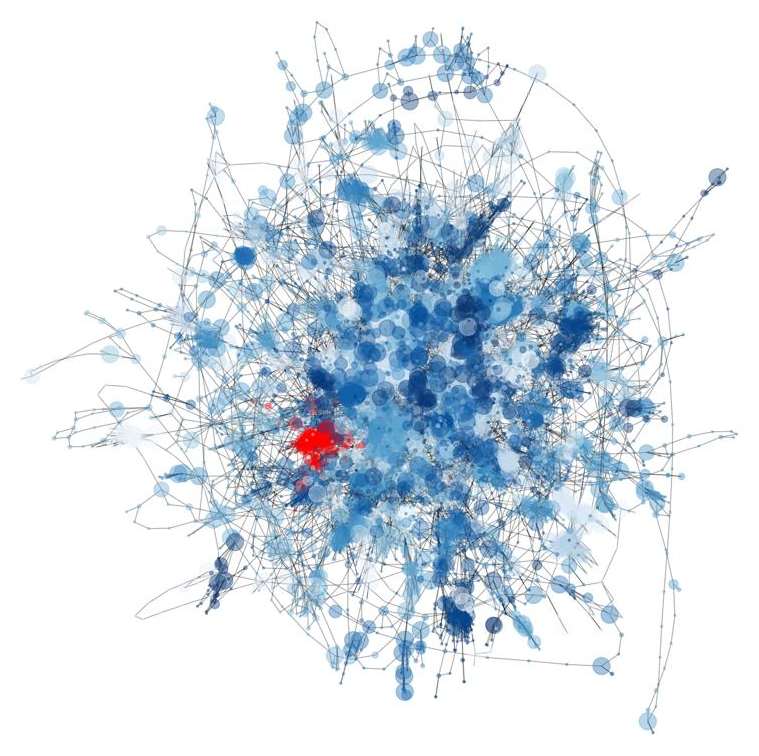
Fig 2.2: Network graph visualising dynamic ligand–protein interactions by mapping binding poses, transition probabilities, and affinities along continuous binding paths.
A. Louet
Louet et al. noir
£35
17 of 30 claimed
13 left
In stock. Printed once, then never again. Posted within 48 hours.
Size
Oversized, heavyweight. See the sizing guide.
Held for 30 minutes at checkout. UK delivery only.
The science
Some proteins, especially ones linked to diseases like Alzheimer's, do not hold a fixed shape. They are constantly moving and changing, which makes it hard to design a drug that can attach to them in a stable way.
This work studied how an Alzheimer’s-related protein, Aβ42, interacts with a small molecule called 10074-G5, using computer simulations to watch the interaction. Even while connected, the protein stays very flexible. Rather than a single lock-and-key site, the model shows the molecule moving around the protein’s surface, briefly attaching in many different places.
Thinking of binding as a path across many possible spots, rather than one fixed target, opens new ways to find drug-friendly regions on proteins like this one.
Contributed by A. Louet.